




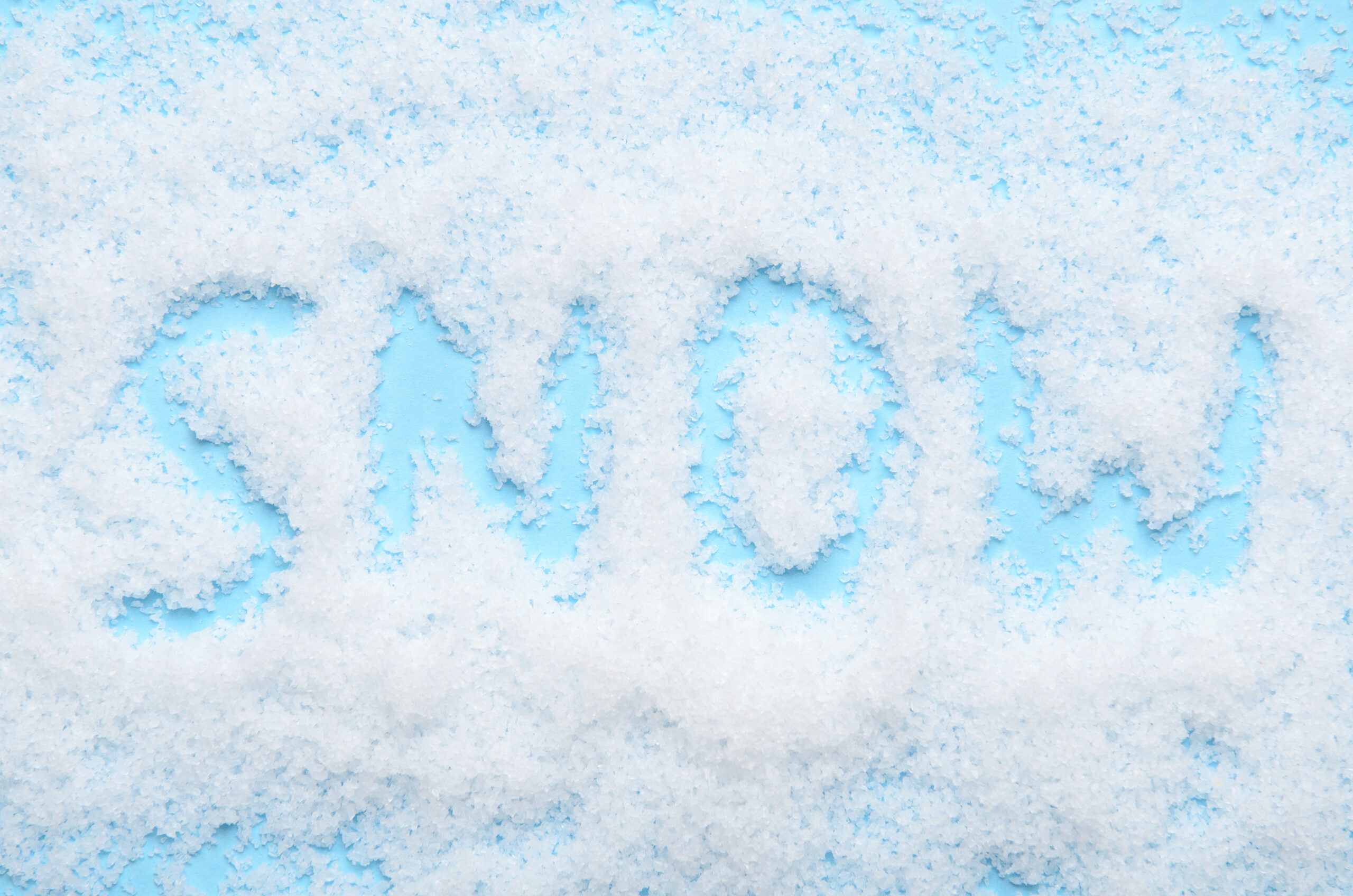
Here in North Texas, a white Christmas is usually something we only see in movies. The idea of a snowball fight in July sounds like a daydream brought on by the summer heat. But what if we told you that we, as a professional snow company, have been making those dreams a reality for over 50 years? The secret isn’t magic; it’s the wonderful, whimsical world of Artificial Snow.
Most people think of fake snow and picture either the crunchy stuff on ski slopes or the fluffy blankets in holiday window displays. But the story and science behind it are far more fascinating than you might imagine. It’s a tale that involves Hollywood scandals, ingenious inventions, and the simple joy of bringing a winter wonderland to places like Dallas-Fort Worth, any day of the year.
So, grab a cup of hot cocoa (or iced tea, depending on the season!) and get ready. We’re about to pull back the curtain and share some truly fun and surprising facts about artificial snow that will make you see that flurry of white in a whole new light.
What Exactly Is Artificial Snow?
Before we jump into its wild history, let’s clear something up. What is this stuff? The term “artificial snow” actually covers a few different products. The snow you see on ski slopes is fundamentally different from the snow we use to create magical parties and events.
Ski resort snow is made by forcing water and pressurized air through a “snow gun.” These machines spray tiny water droplets into the cold air, which then freeze as they fall to the ground. The result is more like tiny, frozen pellets than the delicate, unique crystals of real snow. It’s denser, harder, and lasts longer, which is perfect for skiing and snowboarding.
The snow we specialize in for events, however, is a different kind of marvel. It’s often made from a super-absorbent polymer that can be crushed into a fine, white powder. When you add water, this powder erupts into a fluffy, realistic, and cool-to-the-touch substance that looks just like the real thing. It’s non-toxic, safe for kids and pets, and evaporates with no mess, making it perfect for creating a picture-perfect snow day right in your backyard.
The Wild History Of Artificial Snow
You might think snowmaking is a relatively new invention, but its roots go back further than you’d expect. The first person credited with creating machine-made snow was Wayne Pierce. In the 1940s, Pierce, along with Art Hunt and Dave Richey, was trying to solve a different problem entirely; they were studying how ice formed on jet engines.
As the story goes, they were in a chilly Canadian laboratory, spraying water into a wind tunnel, when they accidentally created a blizzard indoors! A lightbulb went off, and in 1950, they patented the “Pierce snow-making machine.” They started a company and began selling their invention to ski resorts, with the first one being installed at Grossinger’s Catskill Resort Hotel in New York in 1952. Suddenly, the ski industry was no longer completely at the mercy of Mother Nature. They could create their own base and extend their seasons, a revolutionary concept at the time.
Artificial Snow In Movies and TV
Long before ski resorts were making their own powder, Hollywood had a snow problem. How do you film a winter scene in sunny California? In the early days of cinema, filmmakers got creative, and not always in the safest ways.
One of the most infamous examples is from the 1939 classic, The Wizard of Oz.4 In the scene where Dorothy and her friends are running through the poppy field, they fall asleep and are gently awakened by falling snow. That beautiful, gentle snow was actually 100% chrysotile asbestos. At the time, its fire-resistant properties made it a popular choice for decorations, but we now know it’s a dangerous carcinogen. It’s a shocking fact that makes watching that scene a little different!
Thankfully, a much safer and more charming solution came along for the 1946 holiday classic, It’s a Wonderful Life. Director Frank Capra wanted realistic-looking snow for Bedford Falls, but the common method at the time was to use painted cornflakes, which were incredibly loud. Dubbing dialogue over the crunching was a nightmare, so the film’s special effects director, Russell Shearman, developed a new mixture.
He combined foamite (a material used in fire extinguishers), soap flakes, sugar, and water. This concoction could be sprayed from machines, looked incredibly realistic, and was quiet, allowing for live sound recording. The innovation was so groundbreaking that the RKO studio received a technical award from the Academy of Motion Picture Arts and Sciences for it.
The Science Behind Artificial Snow For Ski Slopes
Creating a winter playground for skiers and snowboarders is a massive undertaking for any snow company that services resorts. The process of making ski-slope-ready artificial snow is a fascinating blend of physics and engineering. As we mentioned, it’s all about snow guns.
There are generally two types of snow guns: fan guns and air-water lances.
- Fan Guns: These look like small jet engines or cannons. A powerful fan blows air while a ring of nozzles sprays out “nucleated” water—water that has already started to form ice crystals. The fan blows these tiny ice seeds and more water mist into the air, where they freeze and fall as snow.
- Air-Water Lances: These are long poles that use compressed air to shatter water into fine droplets. As the compressed air expands, it cools rapidly (a phenomenon known as the Joule-Thomson effect), which helps the water droplets freeze on their way to the ground.
One fun fact is that artificial snow crystals are fundamentally different from natural ones. Natural snow forms unique, six-sided crystals as it falls slowly from the clouds. Machine-made snow freezes much faster and closer to the ground, forming small, round particles of ice. This is why artificial snow packs down into a much denser, icier base, which is more durable for skiing but can be a bit harder if you fall!
Creating Winter Wonderlands with Artificial Snow At Holiday Events
Now for our favorite part, bringing the joy of snow to everyone, everywhere! While ski resorts need tons of durable, icy snow, creating a magical winter wonderland for a holiday festival, a corporate event, or a child’s birthday party in the Dallas-Fort Worth area requires a different kind of artificial snow.
This is where that amazing polymer snow comes in. Here’s how we, as your friendly neighborhood snow company, make the magic happen:
- The Powder: We start with a dry, non-toxic polymer that looks like fine salt or sugar. It’s incredibly lightweight and easy to transport.
- Just Add Water: The real show starts when we add water. The polymer is “hydrophilic,” meaning it loves water. It instantly absorbs hundreds of times its own weight in water, expanding into a substance that is over 99% water but looks and feels just like fluffy, white snow.
- The Snowfall: Using specialized machines, we can project this snow high into the air, creating a beautiful, gentle snowfall that blankets an area. It’s cool to the touch because of the evaporating water, adding to the realistic effect.
- No Mess, All Fun: Best of all, once the party is over, this type of artificial snow simply disappears. As the water evaporates, it returns to a dry powder that can be easily swept or vacuumed up, leaving no residue or harm to the environment.
This technology allows us to create everything from a small, snowy play area for toddlers to a massive blizzard for a town square’s tree-lighting ceremony. It’s all the magic of a snow day without the slushy, muddy mess afterward.
From a hazardous Hollywood shortcut to a high-tech solution for ski resorts and the secret ingredient for the perfect party, the journey of artificial snow is full of surprises. It’s a testament to human ingenuity and our shared love for the simple joy of a snowy day. Whether it’s enabling an Olympic athlete to train or allowing a child in Texas to build their very first snowman, artificial snow creates memories that last a lifetime. Here at Mr. Cool Snow Parties, we’re proud to be a part of that tradition, delivering winter wonderlands on demand, 365 days a year.
Ready to make your next event unforgettable? Whether it’s a birthday party, a corporate event, a church festival, or just a Tuesday you want to make special, we can help. Contact Mr. Cool Snow Parties today and let us bring the magic of a perfect snow day to you!
Frequently Asked Questions (FAQ)
Q. Is artificial snow for parties actually cold?
Yes, it is! The most common type of artificial snow used for events is made from a polymer that absorbs water. As the water slowly evaporates from the snow, it creates a cooling effect, making it feel cool to the touch, just like the real thing.
Q. What was the first major movie to use a safe form of artificial snow?
The 1946 classic It’s a Wonderful Life is credited as one of the first films to use a safe and realistic-looking artificial snow. The filmmakers developed a new mixture of foamite, soap flakes, and water, which was quiet enough to record dialogue over and won a technical award from the Academy.
Q. How is artificial snow different from real snow?
Structurally, they are very different. Real snow forms unique, six-sided hexagonal crystals as it falls through the atmosphere. Artificial snow, especially the kind made by snow guns at ski resorts, is created by freezing water droplets quickly, resulting in small, round or needle-like ice particles rather than delicate flakes.